


follow us:


Extreme heat can significantly impact blood pressure, often causing it to drop due to dehydration and widened blood vessels. However, in some cases, stress and strain on the heart may lead to spikes. Experts advise staying hydrated, avoiding direct sun, limiting physical activity, and monitoring BP regularly to prevent dizziness, fatigue, and heat-related complications.
A food poisoning incident in Jharkhand, where a child died and several fell ill after eating pani puri, highlights risks of unsafe street food. Doctors say contaminated water, poor hygiene, and heat-driven bacterial growth can make it dangerous. In summer, improper handling of ingredients can quickly lead to serious illness or even fatal consequences.
A food poisoning incident in Jharkhand, where a child died and several fell ill after eating pani puri, highlights risks of unsafe street food. Doctors say contaminated water, poor hygiene, and heat-driven bacterial growth can make it dangerous. In summer, improper handling of ingredients can quickly lead to serious illness or even fatal consequences.
Spotify has launched a new guided fitness experience featuring workouts, wellness content, and curated playlists. The feature includes yoga, cardio, and meditation sessions from popular creators. It also partners with Peloton to offer over 1,400 classes for Premium users. The move positions Spotify against Apple Fitness and Fitbit in the growing digital wellness market.
This cucumber rice is a quick, refreshing summer dish ready in just 15 minutes. Prepared with cooked rice, grated cucumber, and simple tempering, it feels light and cooling. Ideal for hot afternoons, it pairs well with curd or pickle and makes a convenient, tasty lunchbox meal option for busy days at home or work.
A strong immune system helps your body fight diseases. Eat vitamin-rich foods like citrus fruits, nuts, and green vegetables daily. Stay active with regular exercise and get enough sleep each night. Avoid smoking and limit alcohol intake. Practice good hygiene, like washing hands often, to prevent infections and stay safe from many illnesses every day.
“Saree cancer” refers to a rare type of skin cancer that may develop due to long-term tight tying of sarees or petticoats at the waist. Constant friction, pressure, and poor skin hygiene can cause irritation, wounds, and thickening of skin. Early symptoms include itching, dark patches, or non-healing sores. Preventive care and loose clothing reduce […]
Leftover food can be turned into tasty new dishes instead of being wasted. With simple changes like adding spices, sauces, or mixing ingredients differently, common foods such as rice, vegetables, and bread can be reused creatively. This helps reduce food waste, saves money, and makes meals more interesting and flavourful at home.
Facial hair can be safely removed at home using simple methods like threading, waxing, or natural remedies. Experts suggest gentle techniques to avoid skin irritation, such as using homemade packs or careful threading. Proper skin care before and after removal is important to prevent redness, breakouts, and damage, ensuring smooth and healthy skin.

Whey protein is a high-quality, easily digestible supplement that can support weight loss by boosting protein intake and promoting satiety. Experts suggest consuming it with water, milk or yogurt, especially after workouts, along with balanced meals and exercise. However, excess intake or high-sugar variants should be avoided, and moderation is key for effective results.
A doctor explains that cancer risk can increase even if you eat home-cooked food. The main reason is the growing use of ultra-processed ingredients in daily meals. Items like refined flour, added sugar, oils, and packaged foods contain chemicals and preservatives, which may raise cancer risk despite otherwise healthy eating habits.
Lemon water and lemon rice act as instant nutritional powerhouses during intense summer heatwaves. Rich in vitamin C, they help prevent dehydration, and restore energy. Lemon water cools the body, while lemon rice provides quick gut-friendly nutrients. Together, they support immunity, balance body temperature, and reduce fatigue in scorching weather conditions.
Experts say magnesium may help improve sleep when taken before bedtime, as it relaxes the nervous system, supports melatonin production, and reduces stress hormones like cortisol. It can also ease insomnia and muscle tension. Most studies suggest taking it 30–60 minutes before sleep, especially for people with low magnesium levels or sleep issues.
Food experts explain how to tell whether cake cream is dairy or non-dairy. Dairy cream is made from milk fat, tastes light, and melts quickly, while non-dairy cream uses vegetable oils, is sweeter, and holds shape longer. Checking taste, texture, appearance, melting behaviour, and ingredient labels helps consumers distinguish between the two easily.
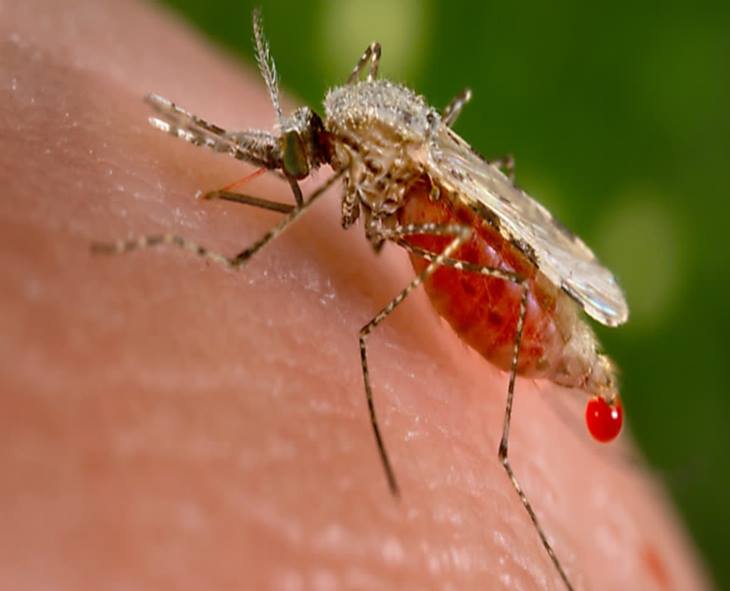
On World Malaria Day 2026, experts explained why mosquitoes bite some people more than others. Factors include body odour, skin bacteria, carbon dioxide levels, and body heat, which attract mosquitoes. Genetics and lifestyle also play a role. Understanding these differences can help reduce bites and lower the risk of diseases like malaria.