


follow us:


Xiaomi has launched the Xiaomi 17T in India, featuring a 6.59-inch AMOLED display, a MediaTek Dimensity 8500 Ultra chipset, and Leica-tuned dual 50MP cameras. The phone packs a 6,500mAh battery with fast charging and runs HyperOS 3. It will go on sale from June 10 across online and offline platforms. Pre-booking starts soon; limited offers […]
Google has introduced its new Gemma 4 12B AI model, designed to bring powerful multimodal intelligence to everyday laptops. The model supports advanced understanding of text and images while running efficiently on consumer devices. Google says the upgrade aims to make high-performance AI more accessible without requiring heavy cloud infrastructure.
A UN report has warned that the rapid expansion of AI-driven data centres could significantly increase global electricity and water consumption by 2030. The study highlights growing environmental concerns as demand for artificial intelligence surges, urging governments and technology companies to improve efficiency, adopt sustainable practices.
A UN report has warned that the rapid expansion of AI-driven data centres could significantly increase global electricity and water consumption by 2030. The study highlights growing environmental concerns as demand for artificial intelligence surges, urging governments and technology companies to improve efficiency, adopt sustainable practices.
NASA has started decommissioning its MAVEN Mars orbiter after finding that the spacecraft cannot be recovered. Contact was lost when MAVEN emerged from a routine Mars occultation, and recovery attempts failed. Investigators found the spacecraft had entered safe mode and was tumbling rapidly, also causing its solar panels to misalign and batteries to drain.
OpenAI CEO Sam Altman is expected to oppose proposals that would require AI firms to obtain US govt approval before releasing new models. During his Washington tour, he is also likely to urge Congress to increase funding for AI testing. OpenAI supports expanding these evaluation programs and involving more experts, and national security to strengthen […]
➢International Day of Innocent Children Victims of Aggression, ➢National Cheese Day, ➢1897: Birth of Swarajya Sangh founder and freedom fighter Vennelakanti Raghavayya, ➢1946: Birth of top Telugu singer SP Balasubrahmanyam, ➢1961: Birthday of Tollywood Music director MM Keeravani, ➢1984: Birthday of actress Priyamani, and ➢1998: Death of Telugu poet Arudra.
Top budget smartphones in 2026 under ₹10,000 include the Redmi A4 (₹8,999) with strong battery life, the realme C53 (₹9,999) with a 50MP camera, the Samsung Galaxy M04 (₹7,999) for reliability, the Lava Blaze 2 (₹8,499) for a clean UI, and the POCO C55 (₹9,499) for performance. All offer 5000-6000mAh batteries and 90Hz displays for […]
The Nothing Ear 3a and CMF Buds Neo have surfaced on certification databases, hinting that their launch may be imminent. While official specifications are not revealed yet, listings suggest the earbuds are in final testing stages before release. The CMF Buds Neo could target the budget segment, while the Ear 3a may succeed the Ear […]
Super Typhoon Sinlaku has formed over the Pacific, driven by complex atmospheric gravity wave interactions that intensified storm development. Meteorologists say the system rapidly strengthened due to warm ocean waters. Authorities are monitoring its path closely as it may bring heavy rain and potential coastal disruptions in affected regions.
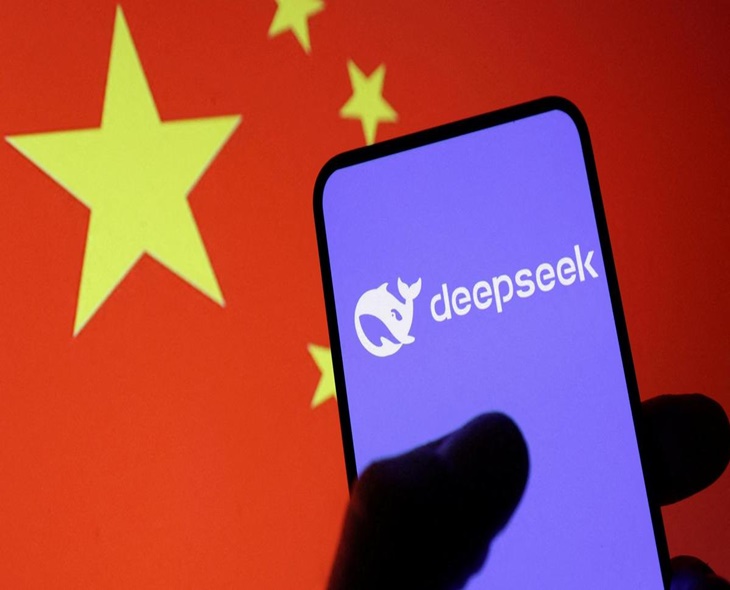
Chinese AI startup DeepSeek is reportedly preparing to raise around $7 billion in its first-ever funding round, marking one of the largest AI investments in China. The round is expected to be led by major firms like Tencent and CATL, with participation from other tech and state-backed investors, boosting its valuation significantly.
World Bicycle Day is observed every year on June 3 to highlight the importance of bicycles as an affordable, and environmentally friendly mode of transport. Recognised by the United Nations in 2018, the day promotes cycling for health, fitness, and reduced carbon emissions. It also encourages communities worldwide to embrace bicycles for mobility.
India-origin app Guitar Wiz has won an Apple Design Award in the Inclusivity category. The app was recognised for making guitar learning easier and more accessible for users with diverse needs. The award highlights innovation in digital education and showcases the global success of Indian-origin technology solutions designed to promote accessibility and inclusion.
➢World Bicycle Day, Insect Repellent Awareness Day, ➢1924: Birth of former Tamil Nadu CM Karunanidhi, ➢1956: Birth of former cricketer Surinder Khanna, ➢1966: Birthday of film actress Radha, ‘Udaya Chandrika:➢1972: Birthday of former Telangana minister Harish Rao, ➢1979: Death of freedom fighter Sangam Lakshmibai, and ➢2016: Death of boxing champion Mohd Ali.
India has successfully flight-tested the indigenous Rudram-II air-to-surface missile from an airborne platform. Developed by DRDO with support from the Indian Air Force, the missile is designed to neutralize enemy radar and strategic targets. The successful trial marks a major boost to India’s defence capabilities and indigenous missile development programme.