


follow us:


Preventing malnutrition among pregnant women and kids requires a balanced diet rich in proteins, vitamins and minerals. Regular health check-ups, timely vaccinations, nutritious foods and access to clean water are crucial. Pregnant women should consume fresh fruits and grains. Nutrition awareness can significantly improve maternal and child health outcomes.
A child reportedly suffered kidney failure after consuming kofta at a restaurant, prompting the father to file a lawsuit against the establishment. The family alleges food poisoning and negligence in food safety standards. Authorities are investigating the case, while the incident has raised concerns over hygiene practices in restaurant food preparation.
Consuming heavy oily foods for breakfast can negatively affect both physical and mental health. Experts warn that such meals may slow digestion, increase cholesterol, and contribute to weight gain. Regular intake can lead to fatigue, and mood swings due to energy crashes. Over time, it may increase the risk of heart-related problems and digestive disorders.
Experts suggest summer foods like watermelon, mango, cucumber, musk melon, and kiwi that improve gut health and provide strong hydration. Being water-rich, they instantly cool the body. Along with curd and coconut water, these foods help boost immunity, support digestion, and protect children from heat-related infections and dehydration.
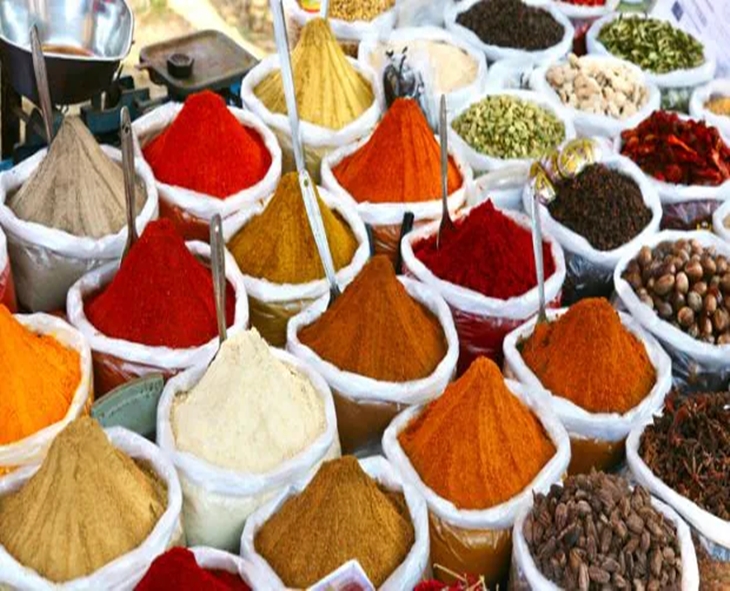
Experts explain that spices do not exactly expire but gradually lose their aroma, flavor, and potency over time. Old kitchen masalas may still be safe to use if stored properly, but their effectiveness in cooking reduces. Moisture, heat, and sunlight speed up degradation, so proper storage is key to maintaining freshness and quality.
Experts highlight that gut health improves with easily digestible, fiber-rich foods like fruits, vegetables, yogurt, and whole grains. They also warn that processed foods, high in sugar and additives, can harm digestion. Maintaining a healthy diet supports better metabolism, immunity, and overall well-being, while reducing processed food intake is advised.
Experts explain safe methods to defrost meat quickly without compromising safety or texture. Recommended techniques include using cold water, microwave defrost settings, or refrigerator thawing for better results. They warn against leaving meat at room temperature due to bacterial risks. Proper handling ensures food safety while maintaining taste and nutritional quality.
Experts warn against intense workouts during heatwaves, as extreme temperatures increase the risk of dehydration, heat exhaustion, and heatstroke. They advise exercising during cooler hours, staying hydrated, and wearing breathable clothing. Gradual intensity and rest breaks are also recommended. Special caution is urged for vulnerable groups.
Samosa can be included in a weight-loss diet if eaten in moderation and prepared wisely. Experts suggest opting for baked versions, controlling portion size, and balancing it with healthy meals. Avoid frequent consumption and deep-fried variants. Pairing it with fiber-rich foods and regular exercise can help manage calorie intake while still enjoying occasional snacks.
Experts advise parents to protect children from heat stroke by keeping them well hydrated, dressed in light cotton clothes, and avoiding outdoor activities during peak afternoon heat. Regular breaks in shaded or cool areas, use of water, and healthy hydration through fruits or ORS can help prevent dehydration and heat-related illnesses effectively.
The AP govt has placed health authorities on high alert after reports of Ebola virus concerns. Screening measures have been initiated at airports to monitor international arrivals and prevent any possible spread. Officials are closely tracking the situation and have advised vigilance. Hospitals have also been instructed to prepare isolation and emergency response.
Doctors warn that heat stroke can become life-threatening if early symptoms are ignored during extreme summer temperatures. Common warning signs include dizziness, headache, nausea, rapid heartbeat, high body temperature and dehydration. Elderly people, children and outdoor workers face higher risks during heatwaves. Seek medical attention if symptoms worsen.
Missi roti often cracks because the dough lacks enough moisture or binding. Experts suggest adding warm water, curd, or a little wheat flour to improve softness and flexibility. Resting the dough before rolling also helps prevent breakage. Cooking on medium heat with gentle pressing ensures evenly cooked, soft missi rotis that stay intact and delicious […]
Eggs are a nutrient-rich superfood that can be enjoyed in lighter ways to stay healthy. Prefer boiled or poached eggs instead of fried versions to avoid excess oil. Pair them with fresh salads, cucumber, or yogurt-based dishes for cooling balance. Eating eggs in moderation supports protein intake, improves energy levels, and helps maintain overall fitness.
Even if you drink enough water, your body can still show signs of dehydration. Common indicators include fatigue, dry skin, headaches, dark urine, and dizziness. Experts say these symptoms may point to poor fluid balance or nutrient loss. Maintaining electrolytes, not just water intake, is important for proper hydration and overall health and body function.