


follow us:


Ragi java, known as finger millet porridge, is a nutrient-rich drink packed with calcium, iron, and fibers. It supports bone strength, aids digestion, and helps manage weight by keeping you full longer. Its low glycemic index makes it beneficial for blood sugar control, while antioxidants boost immunity, making it an excellent addition to a balanced […]
Choosing the right raw mango is the key to perfect pickle. Experts recommend firm, unripe, green mangoes with no yellow spots or softness, as varieties like Totapuri, Ramkela, and Rajapuri work best. Their sour taste and firm texture help absorb spices well. Moisture-free, properly selected mangoes ensure longer shelf life and better flavour in pickles.
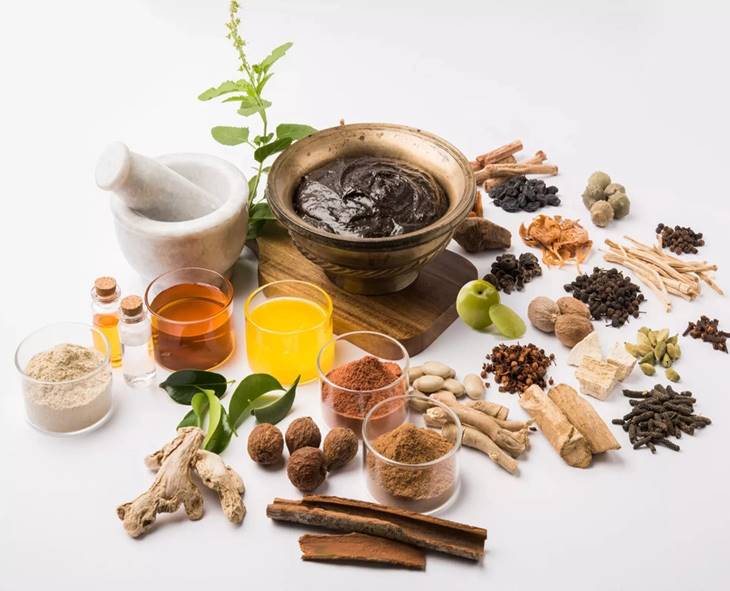
Ayurvedic rituals are increasingly shaping modern self-care trends, blending ancient Indian wellness practices with today’s fast-paced lifestyle. Practices like mindful routines, and natural skincare are being adopted for stress relief and balance. Experts say this shift reflects a growing preference for holistic, preventive, and natural approaches to health.
A new study suggests that obesity in parents before pregnancy can significantly increase the risk of fatty liver disease in their children later in life. Researchers found that higher BMI in both mothers and fathers is linked to greater metabolic risk in offspring, highlighting the importance of maintaining a healthy weight before conception for long-term […]
The sweet widely known as the “King of Sweets” in India is Mysore Pak. Originating from the Mysore Palace kitchens, it was created using gram flour, sugar, and generous amounts of ghee. Its rich texture and royal heritage made it famous across India. Today, it remains a popular festive dessert enjoyed nationwide during celebrations.
Taking care of yourself in summer is very important for health. Stay in cool places and drink plenty of water to stay hydrated. Wear sunglasses and hats to protect from strong sun. Keep your skin clean and use sunscreen daily. Avoid too much heat exposure. Simple habits help you stay safe, fresh, and comfortable during […]
Keeping your roof cool in summer can reduce indoor heat significantly. Simple desi methods include applying white lime or reflective paint, watering the roof in the evening, using wet gunny bags, improving ventilation, and placing plants or pots on terraces. These low-cost techniques help reflect sunlight, lower surface temperature, and keep homes naturally cooler.
Khus sharbat, made from vetiver root extract, is a popular summer drink known for its cooling effect on the body. Daily consumption helps prevent dehydration, reduces heat stress, improves blood circulation, and supports immunity. However, excessive intake may cause side effects like low blood pressure or digestive discomfort, so moderation is recommended during summer.
Splashing cold water on your face in the morning instantly refreshes the body and mind. It helps you wake up quickly, improves mental alertness, and reduces early morning tiredness. This simple habit also tightens skin pores while boosting blood circulation. It is a very quick and effective way to start your day feeling fresh, healthy, […]

Quitting alcohol triggers short-term withdrawal symptoms like anxiety, insomnia, nausea, and mood swings. Over time, the body recovers with improved sleep, better liver function, reduced heart risks, and weight loss. Mentally, clarity, focus, and mood stability improve. However, sudden quitting in heavy drinkers may cause severe complications requiring medical supervision.
Many people take supplements daily but fail to see results, and experts say timing could be the key factor. Taking vitamins or minerals at the wrong time of day, or without proper food combinations, can reduce absorption and effectiveness. Doctors also warn that dosage, consistency, and lifestyle habits play a major role in getting expected […]

While regular exercise is healthy, experts warn it can turn into an unhealthy obsession when it feels compulsory rather than enjoyable. Ignoring rest, overtraining, and feeling guilt for skipping workouts are key signs. This behaviour can harm physical and mental health, causing fatigue, injuries, anxiety, and burnout, highlighting the need for balance and mindful habits.
Masala dosa bites reimagine the classic South Indian dish into a snack-friendly form by stuffing spiced potato filling into dosa or idli batter and cooking in an appe pan. These soft, fluffy bites with a crisp exterior are easy to make, customizable, and can be enjoyed with chutney or sambar as a light meal.
Parkinson’s occurs when brain cells stop making dopamine, which controls movement. Experts say it’s caused by aging, genetics, and toxins like pesticides. While there is no sure way to prevent it, staying active and eating healthy may help. Early signs include tremors, loss of smell, and sleep issues. Detecting these early improves long-term quality of […]
Frequent consumption of cool drinks and fast food can negatively affect kids’ health, leading to issues like obesity, and weakened immunity. High sugar and unhealthy fats impact brain development, and increase the risk of long-term diseases like Type 2 Diabetes. These habits also replace nutritious meals, hindering proper growth and well-being in growing kids.