


follow us:


After losing his product management job twice, Zeeshan Bakhrani pursued his passion for food. In 2025, he launched Nishaan in Manhattan, blending Bihari tacos with Pakistani-American flavors. Starting with savings, his venture grew rapidly, now earning around ₹1.3 crore monthly, proving resilience and creativity can turn setbacks into success.
Including beetroot in curries or fresh juice during summer helps maintain hydration, and boost stamina naturally. Rich in essential nutrients, it supports heart health and aids digestion while keeping the body cool. Its natural nitrates enhance energy levels, making it also a nutritious choice to combat heat and stay active throughout the summer season.
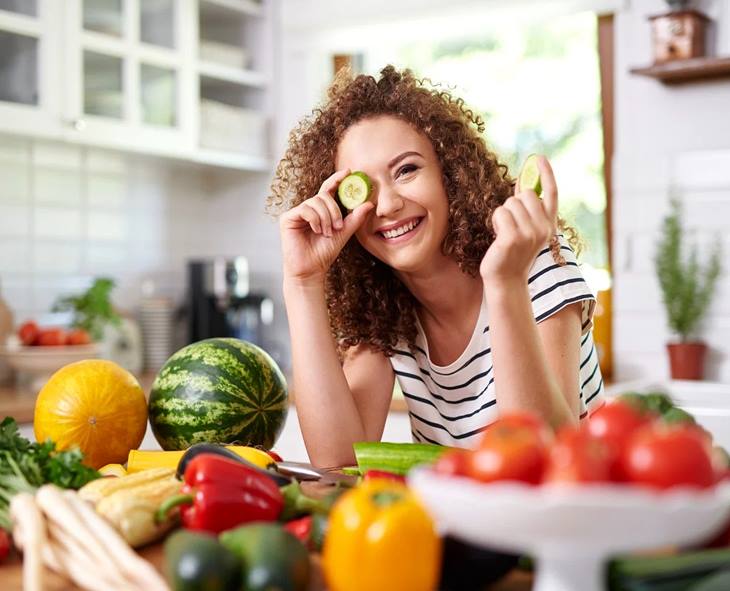
Eating fruits on an empty stomach is often recommended because it allows faster digestion. Fruits are rich in vitamins, fiber, and natural sugars that provide quick energy without interference from heavier foods. Consuming them first thing in the morning may support digestion, hydration, and metabolism, while it also reducing bloating and discomfort.

India has introduced new vaccine tools to fight Tuberculosis in adolescents, marking progress in prevention efforts. Experts say these vaccines are not a complete solution but a significant step forward. They can help reduce cases and improve protection, though continued research, treatment, and public health measures remain essential.
Maida, a refined flour, lacks fibre and nutrients, making it unhealthy for regular use. Experts suggest replacing it with healthier options like whole wheat, ragi, jowar, oats, and almond flour. These alternatives improve nutrition, aid digestion, and help maintain better overall health while still working well in baking and cooking.
Hyderabad dermatologist Dr. Pooja Reddy warned that 70% of protein powders in India are mislabeled or fake. Tests on 36 brands revealed heavy metals and toxins. She advised users to increase water and fiber intake to help kidneys process protein. High-risk individuals, like diabetics, should get kidney tests before starting any supplements to avoid harm.
In India, the Fast-moving consumer goods (FMCG) sector is witnessing steady growth driven by rising incomes, and digital retail expansion. Demand for packaged food, personal care, and household essentials is increasing across rural and urban markets. Strong distribution networks and brand trust also continue to support overall FMCG industry expansion.
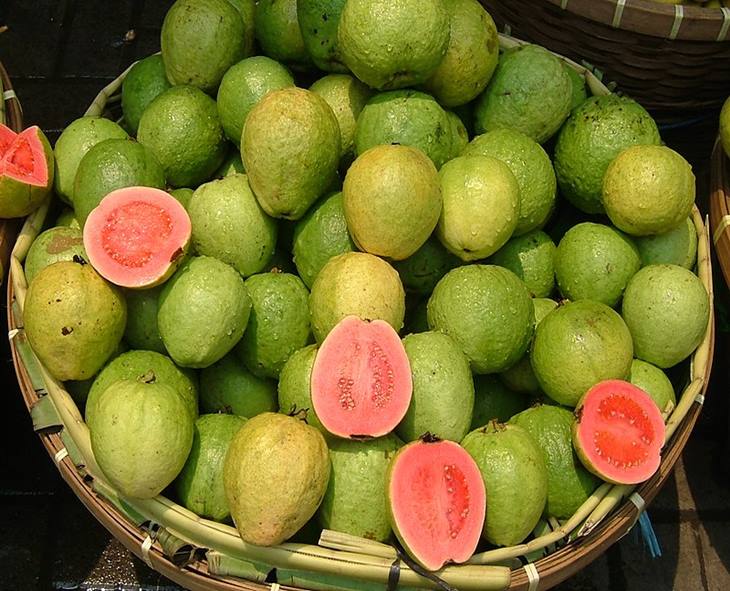
Eating Guava on an empty stomach twice a week can support digestion, boost immunity, and improve gut health due to its high fiber and vitamin C content. It may help regulate blood sugar levels, promote heart health, and aid in weight management by keeping you full longer. Regular intake can also contribute to better skin […]
Eating watermelon during summer helps keep the body hydrated due to its high water content while providing vitamins like A and C. It supports digestion, boosts skin health, and helps regulate body temperature. Rich in antioxidants, it may reduce fatigue and protect cells from damage, making it a nutritious choice to stay energized and cool […]
After 50, staying healthy needs more than just eating well. Experts say regular exercise, good sleep, stress control, and routine health check-ups are also important. As the body changes with age, focusing only on diet is not enough. A balanced lifestyle helps prevent diseases and keeps both body and mind strong.
Jr NTR shocked fans with his body transformation, losing 9.5 kg of muscle in about 50 days for his film with director Prashant Neel. His trainer said he followed cardio workouts, functional training, and a low-protein diet. The goal was to get a lean and agile look instead of building heavy muscles.
Lifting heavy weights incorrectly can cause internal pressure, leading to painful hernias. Experts warn that neglecting symptoms like lumps or pain is dangerous, as these signs may also hide serious issues like cancer or tumors. Using proper technique and seeking medical advice for unusual bulges is essential to prevent long-term damage and ensure early diagnosis.
Keytruda, an immunotherapy drug used to treat multiple types of cancer, is gaining attention in India for its growing role in modern oncology care. It works by helping the immune system identify and attack cancer cells more effectively. While highly effective, its high cost and limited access remain major challenges for patients across the country.
Curd rice and lemon rice are popular South Indian dishes often chosen for dinner. Curd rice is generally considered lighter due to its soft texture, cooling effect, probiotics, and easy digestibility. Lemon rice, while flavorful and refreshing, contains oil and spices that can make digestion slower at night. Curd rice is better for a light, […]
World Chagas Disease Day, observed on April 14, raises awareness about Chagas disease, a life-threatening infection spread by triatomine bugs. The day highlights prevention, early diagnosis, and treatment access, especially in endemic regions. Common symptoms include fever, fatigue, body aches, swelling, and, in chronic cases, heart or digestive complications.